Typewriter Embroidery: A Designer’s Practical Review
As a designer who has spent years digitizing patterns and testing them on everything from delicate silk to heavy canvas, I approach every new machine embroidery design with a critical eye. We have all been there: you download a file that looks stunning in the preview window, only to find it puckers the fabric or loses its charm once stitched out. That is why I took the time to evaluate Typewriter, not just as a digital asset, but as a functional component for real-world Embroidery projects.
This design falls under the Work category, which immediately suggests a specific aesthetic. It evokes nostalgia, professionalism, and a touch of vintage literary flair. For those of us running a craft business or selling on platforms like Etsy, understanding the nuance of such a theme is crucial. It is not just about stitching; it is about conveying a mood that resonates with the buyer.
First Impressions and Visual Personality
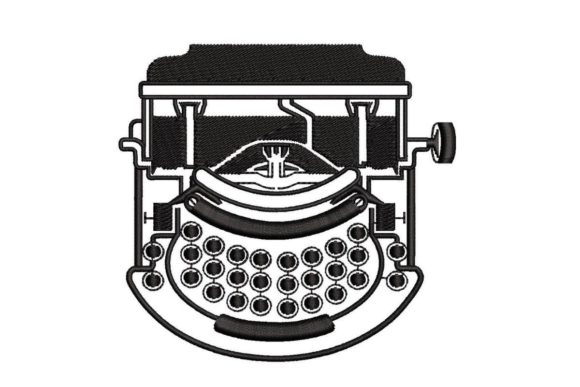
The first thing that strikes me about Typewriter is its careful attention to detail. In the world of digitizing, "details" can often be a double-edged sword. Too many tiny elements can lead to thread breaks and frustration, while too few can make a design look flat. This design strikes a balance. The layout feels intentional, capturing the mechanical essence of a classic typewriter without becoming overly cluttered.
The visual personality here is distinct. It feels grounded and tactile. When I visualize this on a product, I do not see it as a loud, flashy statement piece. Instead, it serves as a sophisticated accent. For an Etsy seller looking to differentiate their small shop product line, this kind of subtlety is valuable. It appeals to customers who appreciate literature, writing, office decor, or vintage aesthetics. It creates an immediate emotional connection, suggesting stories, letters, and thoughtful communication.
Real-World Application: The Custom Tote Bag Scenario
To truly test the viability of any design, I imagine it in a specific production scenario. Let us consider a custom embroidered tote bag. This is a staple item for many handmade businesses. I envision using Typewriter on a natural cotton canvas tote. The neutral background allows the thread colors to pop, whether I choose a classic black for a stark, professional look or a deep burgundy for a warmer, vintage feel.
In this context, the design performs well because of its structural integrity. A tote bag undergoes significant stress and movement. A poorly digitized design might distort when the bag is loaded with books or groceries. However, the balanced composition of Typewriter suggests it will hold its shape. It becomes more than just decoration; it becomes a branding element for a writer, a teacher, or a librarian. This transforms a simple handmade product into a personalized statement piece that customers are proud to carry.
Versatility Across Product Lines
Beyond tote bags, the versatility of this embroidery file is noteworthy. I can easily see this adapting to various custom apparel items. Imagine it placed on the left chest of a structured sweatshirt. The sweatshirt embroidery market is huge, and designs that offer a clean, intellectual vibe are always in demand. The design’s scale appears suitable for this placement, avoiding the bulkiness that can make chest logos uncomfortable.
For those interested in baby embroidery, this could work beautifully on a nursery pillow cover or a bib for a writer’s grandchild. However, caution is needed here. Babies require softness, so ensuring the back of the stitching is smooth and using a soft stabilizer is essential. Similarly, for holiday embroidery gifts, such as a personalized apron for a cookbook author or a teacher appreciation gift, the thematic relevance of Typewriter adds a layer of thoughtfulness that generic designs lack.
If you are creating an embroidered patch, this design’s self-contained shape is ideal. Patches need clear boundaries, and the typewriter motif provides a natural frame. This makes it a strong candidate for design assets that can be sold as standalone patches or applied to denim jackets and caps.
Technical Considerations and Stitching Clarity
From a technical standpoint, the success of any embroidery project depends on execution. While the product description mentions it is carefully designed with great details, it does not specify exact stitch counts or density maps. As a professional, I advise you to check these details before committing to a large production run. High stitch density can cause puckering on thin fabrics, while low density might look sparse on textured materials.
I recommend testing the design on scrap fabric first. Pay close attention to the smaller elements. Are the keys of the typewriter distinct, or do they merge into a blob? This is where the quality of the digital embroidery file is proven. If the design uses a mix of satin stitch for borders and fill stitch for larger areas, ensure the transitions are smooth. Running stitches should be secure to prevent unraveling during washing.
Fabric texture plays a significant role here. On a smooth cotton, the details will shine. On a rough linen or a fuzzy fleece, some of the finer lines might get lost. If you are working with dark fabric, consider using a lighter thread color to maintain contrast, or adjust the underlay stitches to ensure the design sits properly on the surface.
Strategic Use for Commercial Embroidery
For those engaged in commercial embroidery, consistency is key. Typewriter offers a level of professionalism that builds customer trust. When a buyer sees a crisp, well-executed design, they perceive higher value. This is crucial for printable mockup creation as well. A high-quality digital representation can drive sales, but the physical finished product must match that promise.
However, there are limitations to consider. Avoid using this design on highly stretchy fabrics without proper stabilization, as the rigid structure of a typewriter illustration does not lend itself well to distortion. Also, be mindful of hoop size. If the design is large, ensure your machine can accommodate it without excessive re-hooping, which can lead to alignment issues.
Final Verdict for Designers and Makers
In conclusion, Typewriter is a strong addition to any designer’s library. It is not just a decorative element; it is a thematic tool that can elevate a range of products from simple tote bag design concepts to sophisticated personalized gift options. Its strength lies in its ability to convey a specific mood—intellectual, vintage, and professional—while maintaining the technical requirements necessary for quality Embroidery.
Before integrating it into your Work flow, remember to verify the included formats and license terms. Ensure it aligns with your brand’s aesthetic and test it thoroughly on your intended materials. When used correctly, this design can enhance your brand consistency and engage buyers who value craftsmanship and storytelling. It is a practical, reliable choice for makers who want to create meaningful, high-quality items.