Michigan Embroidery: A Designer’s Review for Craft Fairs
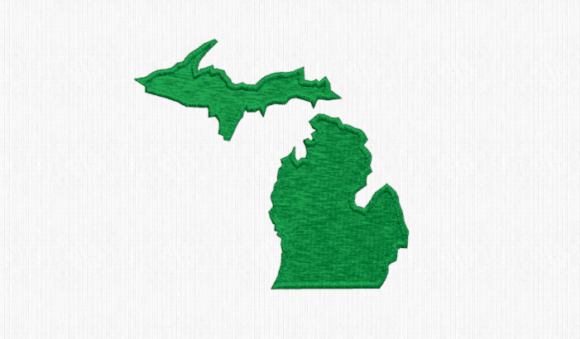
As an embroidery designer who has spent countless hours behind the hoop and even more time standing behind a craft fair table, I look at every new machine embroidery design with a critical eye. It is not just about whether the stitches are clean; it is about whether the design will stop a shopper in their tracks. Recently, I evaluated the Michigan design, a piece that promises to add a bright and cheery decoration to any item of your choice. For those of us selling handmade products in the North America market, regional pride is a powerful sales driver. Here is my professional breakdown of how this design performs in the real world of boutique making and weekend markets.
First Impressions: Bright, Cheery, and Market-Ready
The product description highlights that this embroidery file brings a "bright and cheery" vibe. In the context of a busy craft fair booth, this is exactly what you want. Shoppers are often overwhelmed by visual noise, so a design that feels uplifting and clear stands out. The Michigan motif likely leans into a modern, perhaps slightly rustic or patriotic aesthetic, depending on your thread choices. It does not feel overly ornate or dense, which suggests it is approachable for a wide audience. Whether you are targeting locals who love their state or tourists looking for a memorable souvenir, the emotional connection to the Great Lakes state is immediate. This is not a subtle, hidden detail; it is a statement piece designed to be seen from across the aisle.
Product Applications: Where This Design Shines
The versatility of this design is its strongest asset. The description mentions towels, shirts, and blankets, but as a seasoned seller, I see potential far beyond these basics. Here is how I would deploy this digital embroidery file across a product line:
- Tote Bag Design: A canvas tote with the Michigan design centered is a classic craft fair product. It is practical, visible, and serves as a walking advertisement for your brand. The large surface area allows the design to breathe, ensuring no details are lost.
- Tea Towel Embroidery: Kitchen linens are impulse-buy staples. Embroidering this design on the corner of a high-quality flour sack towel creates a charming, giftable item. The "cheery" aspect mentioned in the description pairs perfectly with home decor trends.
- Apron Embroidery: For the homemade gift market, an apron featuring this state outline appeals to cooks and hosts. It adds a personal touch that mass-produced items lack.
- Embroidered Patch: If the design scales down well, turning it into an iron-on or sew-on patch opens up a huge market for jacket customization and scrapbooking enthusiasts.
- Caps and Hats: While curved surfaces are tricky, a simplified version of this design on a dad hat can be a bestseller. However, this requires careful testing to ensure the fabric does not pucker.
Visual Appeal and Customer Attention
In a crowded marketplace, your finished product must communicate its value instantly. The Michigan design aids in this by leveraging recognizable geography. Customers do not need to read a sign to know what it is; they recognize the shape immediately. This reduces cognitive load and speeds up the decision-making process. When photographing for your online store, this design offers excellent opportunities for lifestyle shots. Imagine a cozy blanket draped over a chair with the embroidery prominently displayed, or a tote bag filled with fresh flowers. These printable mockup styles help Etsy sellers convey the warmth and utility of the item before the customer even touches it.
Furthermore, the design supports brand consistency. If your shop focuses on North American themes or local pride, this piece fits seamlessly into a cohesive collection. It strengthens your booth display by adding color and thematic relevance, encouraging buyers to browse your entire inventory rather than just picking up a single item.
Practical Production and Selling Points
From a production standpoint, efficiency is key to profitability. The description notes that the file comes with multiple embroidery formats, which is essential for compatibility with various machines. However, there are critical factors to consider before running a batch:
- Stitch Density: You must check the stitch density. If it is too dense, it can cause puckering on lighter fabrics like t-shirts or tea towels. If it is too sparse, the backing fabric might show through, especially on darker materials.
- Small Details: Evaluate the tiny details. Does the design have thin lines that might break during washing? For a durable small shop product, simplicity often wins. Ensure that any lettering or intricate borders are robust enough for daily use.
- Batch Production: Is the design repeatable? Can you hoop multiple items quickly? A design that requires excessive trimming or complex stabilization slows down your workflow. Ideally, this Michigan design should be straightforward to hoop and stitch, allowing you to produce inventory efficiently for peak seasons.
Careful-Use Notes for Professional Results
Even the best design assets can fail if applied incorrectly. Here are my warnings for using this specific file:
Fabric Texture Matters: Textured towels can distort small stitches. If you are embroidering on terry cloth, use a cut-away stabilizer to support the design. For smooth cottons, a tear-away might suffice, but always test first.
Thread Contrast: Since the design is described as "bright," your thread choice is crucial. On dark fabrics, ensure you use a high-contrast underlay or a satin stitch border to make the design pop. On white towels, avoid light pastels that may disappear from a distance.
Curved Surfaces: If applying this to caps or curved pouches, be wary of distortion. The Michigan shape has distinct curves; if the hoop tension is uneven, the state outline could look warped. Always use a cap frame or appropriate jig.
Size Limitations: Do not assume the design works at any size. Shrinking it too much for a small pocket emblem may cause thread breaks or loss of clarity. Check the minimum recommended size in the file documentation.
Designer’s Checklist: Before You Sell
Before you list this as a commercial embroidery product, follow these steps to ensure quality:
- Test on Scrap Fabric: Never run a new design directly on your final product. Stitch it out on the same type of fabric you intend to sell.
- Check Stabilizer Compatibility: Match your stabilizer to the fabric weight. Heavy designs need strong support; light designs need minimal interference.
- Verify Commercial Licensing: The description mentions it is for items of your choice, but always confirm the license terms. Ensure you have the right to sell finished products made with this embroidery file.
- Create Real Mockups: Take photos of the actual stitched item, not just digital renderings. Buyers trust real textures and lighting.
- Review Hoop Size: Confirm which hoop sizes are included. If you only have a 4x4 hoop but the design requires a 5x7, you will need to resize or purchase the correct format.
In conclusion, the Michigan embroidery design is a strong contender for any maker focusing on regional pride and cheerful home goods. It offers the flexibility needed for diverse Etsy seller catalogs and the visual impact required for successful craft fair booths. By paying attention to fabric choice, stabilization, and presentation, you can turn this digital file into a high-margin, beloved handmade product that resonates with customers across North America.