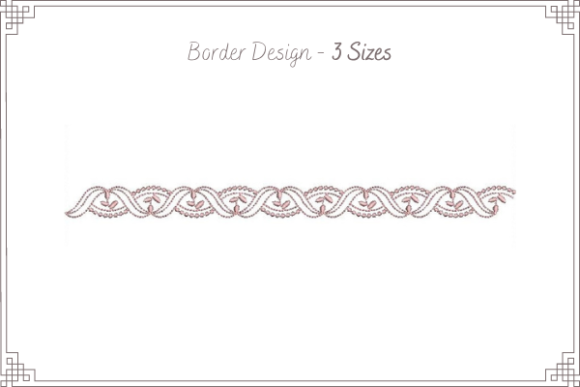
Pillow Border Design Review for Craft Fairs
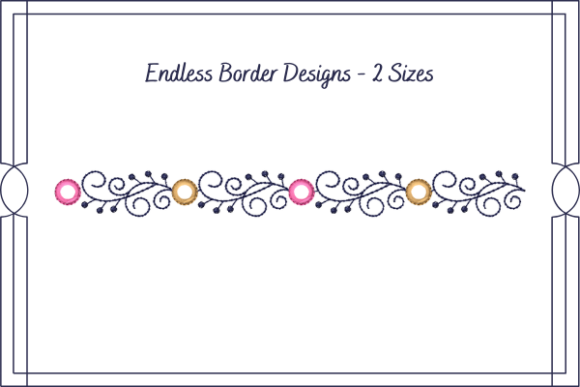
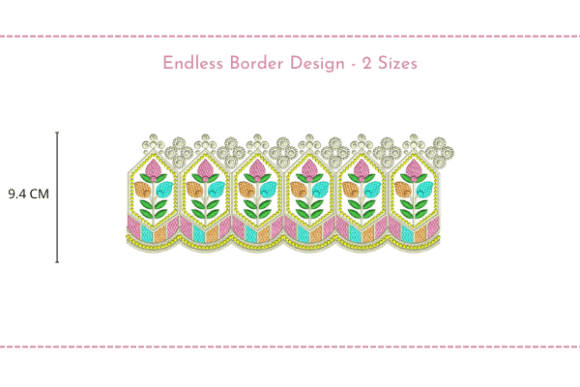
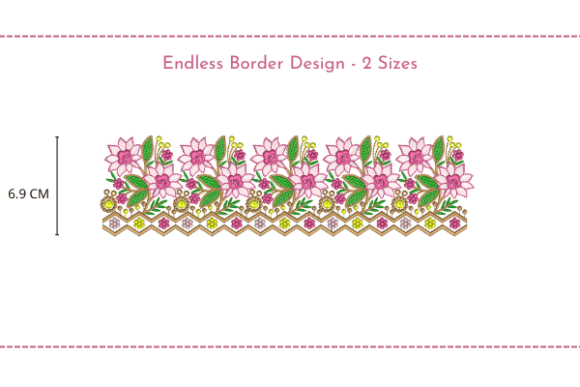
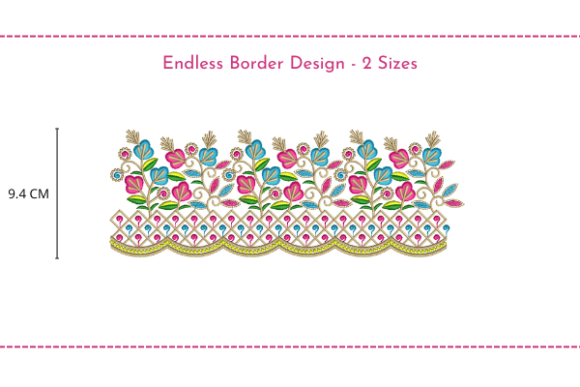
As an embroidery designer who has spent countless weekends standing behind booth tables, I know that the difference between a browser and a buyer often comes down to visual impact. When I first loaded the Pillow Border Design into my digitizing software, my immediate thought was about versatility. This is not just a motif for cushions; it is a strategic asset for any handmade business looking to elevate its product line. The description promises a fantastic floral border suitable for women’s fashion and home decor, and after reviewing the lines and flow, I can confirm it holds up under the scrutiny of a professional eye.
First Impressions and Aesthetic Appeal
The initial glance at this machine embroidery design suggests a blend of elegance and approachability. It does not scream for attention with chaotic noise; rather, it invites the viewer in with structured floral elements. For a craft fair seller, this is crucial. You need designs that are easy to understand at a glance but detailed enough to warrant a closer look. This design feels decorative and premium, striking a balance that works for both rustic farmhouse styles and modern boutique aesthetics. It avoids being overly cute or strictly minimal, placing it in a safe yet stylish middle ground that appeals to a broad demographic of buyers.
When considering Borders in Embroidery, the challenge is often making them feel intentional rather than an afterthought. This design succeeds because the floral arrangement has a natural rhythm. It looks like it belongs there, whether on a hemline or a pillowcase. For those of us creating design assets for our shops, having a border that feels organic is a significant advantage.
Strategic Product Applications for Maximum Sales
While the title suggests pillow covers, limiting this digital embroidery file to home decor would be a missed opportunity. In my experience preparing for a weekend market, I look for items that offer high perceived value with manageable production time. Here is how I would deploy this design across various craft fair products:
- Tote Bags and Market Bags: A tote bag design using this border along the bottom edge or the top rim creates a custom, high-end look. It transforms a plain canvas bag into a statement piece.
- Aprons and Tea Towels: For kitchenware, this design shines. An apron embroidery placement along the bib or the waistband adds a touch of femininity and charm. Similarly, tea towel embroidery with this border creates an instant heirloom-quality gift item.
- Patches and Pouches: If you sell smaller small shop products, consider stitching this onto stabilizer-backed fabric to create an embroidered patch. These can be applied to denim jackets or sold as standalone accessories. Small fabric pouches also benefit from this border along the opening seam.
- Pillow Covers: Naturally, this is the primary use case. Using it on cushion covers allows you to showcase the full span of the floral pattern, making it a focal point for living room decor.
For Etsy sellers and online boutiques, this design photographs beautifully. The linear nature of a border allows for clean, flat-lay images that highlight the stitch quality without the distortion often found in large, circular motifs. Creating a printable mockup or digital preview for your listing is straightforward because the design frames the product naturally.
Production Practicality and Batch Efficiency
From a production standpoint, repeatability is key. You cannot spend hours adjusting settings for every single item if you want to make a profit. This machine embroidery design appears to be well-digitized for consistent results. However, before committing to a large batch of finished products, you must evaluate the stitch density. Dense areas can cause puckering, especially on lighter fabrics like cotton voile or linen blends commonly used for curtains and bedsheets.
I recommend running test stitches on scrap fabric that matches your intended product materials. Check how the thread colors interact with the fabric. High-contrast threads will make the design pop, which is great for dark fabrics, while tonal threads offer a subtle, sophisticated look for white or cream linens. Ensure you are using the correct hoop size to accommodate the full length of the border without needing to re-hoop, which can lead to alignment errors.
Another critical factor is the stabilizer. For items like tote bags and caps, a cut-away stabilizer might be necessary to support the weight of the stitches. For delicate tea towels, a tear-away or wash-away stabilizer ensures the final handmade product remains soft and pliable. Never skip this step, as poor stabilization is the most common reason for customer returns due to wrinkling or distortion.
Navigating Fabric Textures and Challenges
Not all fabrics behave the same way. When working with textured towels or thick denim, the fine details of a floral border can sometimes get lost. If you plan to use this on heavy fabric texture materials, consider increasing the stitch length slightly or choosing thicker embroidery threads to maintain visibility. Conversely, on smooth silks or satins, ensure the tension is perfectly balanced to prevent pulling.
Curved surfaces, such as caps, present another challenge. While this design is labeled for home decor and fashion, applying a long border to a curved cap requires careful placement. It may need to be split or shortened to fit the panel correctly. Always check the design’s clarity at smaller sizes if you intend to scale it down for small pouches or jewelry bags. Tiny details can merge together if the design is reduced too much, losing the definition that makes it attractive.
Enhancing Brand Consistency and Buyer Engagement
Using a consistent design element like this border across multiple product lines helps build brand recognition. If a customer buys a tote bag with this floral border and later sees a matching apron, they are more likely to engage with your brand. It creates a cohesive collection rather than a random assortment of items. This consistency boosts the perceived value of your commercial embroidery work, positioning you as a thoughtful designer rather than just a producer.
In a busy craft fair environment, products that look coordinated stand out. Displaying a table with matching pillow covers, table runners, and aprons featuring the same Pillow Border Design creates a visual story. It helps customers visualize how these items would look in their own homes, increasing the likelihood of a sale. The design acts as a unifying thread, literally and figuratively, tying your booth display together.
Final Designer Notes and Licensing
Before you begin mass production, there are a few housekeeping items to address. First, confirm the commercial licensing terms. The product description mentions it comes with multiple options, but it does not explicitly state the license type. Always verify that you have the right to sell finished products made with this embroidery file. Most reputable designers allow physical sales but restrict the resale of the digital file itself.
Second, check the available file formats. Ensure you have the format compatible with your machine, whether it is PES, DST, JEF, or another standard. If the design comes in multiple sizes, test the largest one first to ensure it fits your maximum hoop capacity, then test the smallest to ensure detail retention.
Finally, create at least one real-world mockup before listing. Take photos of the stitched design on the actual fabric you plan to sell. Digital renderings are helpful, but customers want to see the texture and sheen of the real thread. This transparency builds trust and reduces the gap between expectation and reality.
In conclusion, the Pillow Border Design is a robust addition to any embroidery business toolkit. It offers the flexibility needed for diverse product lines, from fashion to home decor, while maintaining a high standard of aesthetic appeal. By paying attention to production details like stabilizer choice, fabric texture, and stitch density, you can turn this digital asset into a best-selling craft fair product that enhances your brand and delights your customers.