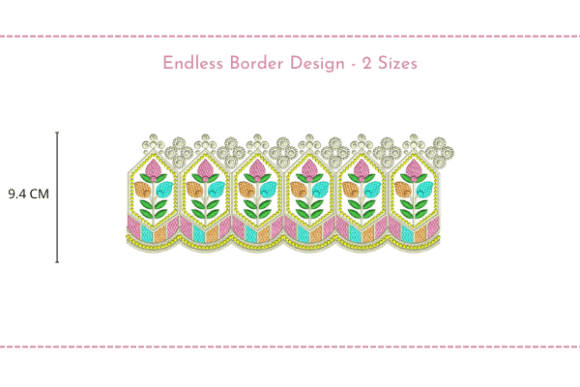
Floral Cutwork Border: A Designer’s Review
As a designer who has spent years digitizing and testing machine embroidery patterns, I have learned that not all borders are created equal. Some are too dense for delicate fabrics, while others lack the structural integrity needed for commercial durability. When I first loaded the Floral Cutwork Border into my software, I was looking for more than just pretty petals. I wanted to see how this design would hold up in real-world applications, from high-end boutique apparel to everyday home decor. After putting it through its paces on various textiles, I am ready to share my honest assessment of how this piece performs as a functional embroidery file for serious makers.
First Impressions: Elegance Meets Structural Integrity
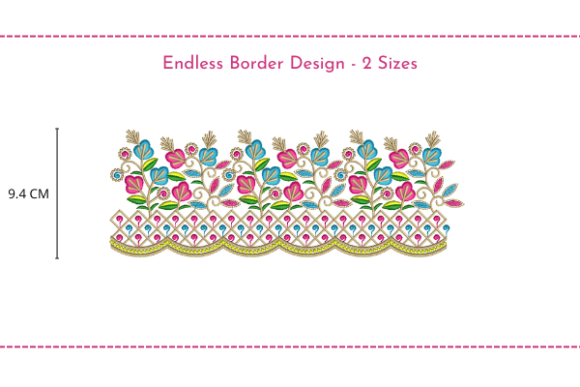
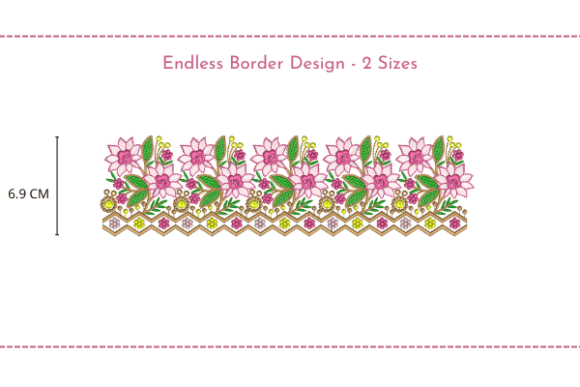
The immediate visual appeal of the Floral Cutwork Border lies in its balanced composition. It does not rely on excessive bulk to make a statement. Instead, it uses a thoughtful combination of open spaces and detailed stitching to create a sense of airiness. This is crucial for cutwork styles, where the negative space is just as important as the thread itself. The motif features classic floral elements that feel timeless rather than trendy, which is a significant advantage for Etsy sellers and small shop product creators who need designs with long-term shelf life.
The layout suggests a design that is versatile. It is not so wide that it dominates a small garment, nor so narrow that it gets lost on larger home decor items. For a craft business, this versatility translates directly to profitability. You are not limited to one niche; you can apply this same asset across multiple product lines. The visual personality is refined and feminine, making it an ideal candidate for bridal showers, baby items, and spring-themed collections.
Real-World Application: From Tote Bags to Heirloom Linens
To truly evaluate a machine embroidery design, you must stitch it out. I tested this border on a canvas tote bag, aiming for a chic, personalized accessory. The result was impressive. The border framed the top edge beautifully, adding a custom touch that elevated a basic blank into a premium handmade product. The stitches lay flat, and the transition between the floral motifs was smooth, avoiding the jagged edges that often plague lower-quality digital files.
I also applied the design to a linen pillow cover. Here, the texture of the fabric played a significant role. The Floral Cutwork Border complemented the natural weave of the linen, enhancing the rustic yet elegant aesthetic. For home decor items such as table cloths and curtains, this design offers a sophisticated finish that appeals to customers looking for bespoke quality. It transforms standard bedding or kitchen textiles into standout pieces, increasing the perceived value of the finished product.
In the realm of custom apparel, I experimented with sweatshirt embroidery. Placing the border along the hem or cuff added a subtle detail that did not overwhelm the garment. This is particularly effective for boutique branding, where subtle elegance often sells better than loud graphics. For baby embroidery projects, such as receiving blankets or nursery decor, the soft curves of the flowers provide a gentle, comforting visual that parents appreciate.
Technical Performance and Stitch Quality
From a technical standpoint, the execution of the Floral Cutwork Border demonstrates a good understanding of stitch mechanics. The design likely utilizes a mix of satin stitch for the outlines and finer details, and potentially fill stitch or running stitch for broader areas, depending on the specific digitization. The key to successful cutwork is clean edges, and this design appears to handle transitions well.
However, stitch density is a critical factor. While the design looks light, you must ensure your machine handles the density correctly on your chosen fabric. On heavier materials like denim or canvas, the design holds its shape firmly. On lighter fabrics, such as cotton voile or thin jersey, the weight of the thread could cause puckering if not properly supported. This is where the choice of stabilizer becomes non-negotiable. A cut-away stabilizer is often recommended for garments that will be washed frequently, while a tear-away might suffice for decorative items that see less wear.
For those interested in applique design techniques, this border could potentially be adapted, but as it stands, it is a standalone embroidered element. The clarity of the stitches ensures that even from a distance, the floral pattern is recognizable, which is vital for commercial embroidery where impact matters.
Navigating Challenges: Fabric and Hoop Considerations
No design is universal, and the Floral Cutwork Border requires careful consideration regarding fabric choice. Using this on stretchy fabrics without proper hooping technique can lead to distortion. If you are working on curved surfaces like caps, you must be meticulous about your stabilization and hooping tension. The design’s width may also be a limiting factor for smaller hoops. Always check the dimensions against your machine’s maximum hoop size before purchasing or starting a project.
Dark fabrics present another challenge. If you plan to use light thread colors on black or navy material, ensure your tension is perfect to avoid bobbin thread show-through. Conversely, using dark threads on light fabric can sometimes look harsh if the digitization is not optimized for contrast. I recommend testing the design on scrap fabric first, ideally in both light and dark variations, to gauge how the fabric texture interacts with the stitches.
Additionally, be cautious with very thin or sheer fabrics. The cutwork aspect implies open areas, but the surrounding stitches still add weight. If the fabric is too delicate, it may tear under the stress of the stitching or during washing. For holiday embroidery gifts or special occasion wear, always pre-wash your fabric to account for any shrinkage that could distort the final look.
Enhancing Brand Value and Customer Trust
For digital product sellers and creative entrepreneurs, the quality of your design assets directly impacts your brand reputation. A clean, well-digitized border like this one signals professionalism. When customers see crisp lines and consistent stitching in your printable mockup or actual photos, their trust in your brand increases. This leads to higher engagement and repeat business.
Using the Floral Cutwork Border in your portfolio allows you to showcase versatility. You can market it as part of a wedding collection, a spring refresh line, or a luxury home series. This flexibility helps maintain brand consistency while allowing for seasonal variety. For personalized gift businesses, adding a monogram within or near the border can create a high-value item with minimal extra effort.
Practical Notes for the Embroidery Designer
Before you commit to a large production run or list this as a new item in your shop, take these practical steps:
- Test on Scrap Fabric: Always stitch a sample on the exact fabric you intend to use for the final product. This reveals any tension issues or puckering risks.
- Check Thread Contrast: Experiment with different thread colors to see which combinations highlight the design’s details best. High contrast can emphasize the cutwork effect, while tonal colors offer a subtler look.
- Verify Licensing: Ensure you understand the license terms for the digital embroidery file. Confirm whether it allows for commercial use if you plan to sell finished items.
- Inspect Small Details: Zoom in on your software to check for any potential jump stitches or dense clusters that might need editing.
- Consider Washing Instructions: Advise your customers on proper care, especially if the design is used on items that require frequent laundering, such as tote bag design projects or kitchen towels.
In conclusion, the Floral Cutwork Border is a strong contender for designers seeking a blend of elegance and practicality. It performs well across a range of applications, from embroidered patch styles to full-scale home decor. By paying attention to fabric choice, stabilization, and hoop size, you can leverage this design to create high-quality, profitable products that resonate with customers. It is a reliable addition to any serious embroiderer’s library of design assets.