Smiley Face: A Designer’s Review for Small Business Merch
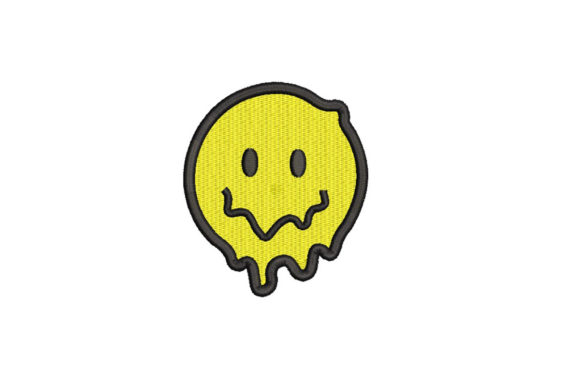
As an embroidery designer who has spent years digitizing files and consulting with small business owners, I approach every new machine embroidery design with a critical eye. It is not just about whether a motif looks cute on a screen; it is about how it performs in the real world of commercial production. Today, I am reviewing Smiley Face, a design categorized under Friends within the broader Embroidery niche. My goal is to evaluate its potential for branded merchandise, staff uniforms, and retail products.
The product description promises that this cute embroidery will decorate your clothes and interior items, noting that you can choose the color scheme at your discretion. For a business owner, this flexibility is crucial. However, the statement that the right selection of materials for embroidery will ensure success is a gentle reminder that execution matters as much as the design itself. Let us break down how Smiley Face holds up when applied to actual business assets.
First Impressions: Visual Personality and Brand Fit
Upon loading the file into my editing software, the immediate impression of Smiley Face is one of approachable warmth. It does not try to be overly complex or hyper-realistic. Instead, it leans into a playful, friendly aesthetic. This makes it an excellent candidate for brands that want to project transparency, happiness, and community. It feels handmade yet polished, striking a balance that is often difficult to achieve in digital formats.
For businesses in the café, bakery, or pet care sectors, this visual personality is a strong asset. A stern, corporate logo might feel out of place on a cozy knit sweater or a canvas tote bag sold at a local farmers' market. Smiley Face, however, invites engagement. It signals to the customer that the brand is human-centric and welcoming. When considering your brand identity, ask yourself if this level of playfulness aligns with your core values. If your brand is about serious legal counsel, this might not be the fit. But for creative studios, boutiques, and lifestyle brands, it is a powerful tool for connection.
Real-World Applications for Small Business Merch
The true test of any digital embroidery file is its versatility across different substrates. Here is how I envision Smiley Face performing in various commercial contexts:
- Embroidered Patches: This is perhaps the strongest use case. A patch allows for high-density stitching without worrying about fabric puckering. You can create iron-on or velcro-backed patches featuring Smiley Face to sell as standalone accessories or to attach to denim jackets and backpacks.
- Staff Uniforms and Aprons: For hospitality businesses, adding a small embroidered accent to aprons or polo shirts creates a unified team look. Placing the design on the chest pocket area of an apron embroidery project adds a touch of personality without being distracting.
- Cap Embroidery: Front-panel cap embroidery requires designs that are compact and bold. Smiley Face works well here, provided the scale is adjusted correctly. It serves as a recognizable mark that customers can spot from a distance.
- Tote Bag Design: Canvas totes are staples for eco-friendly brands. The texture of canvas handles standard stitch density well, allowing the threads to pop against the neutral background. This makes for an attractive small business merch item that doubles as walking advertising.
- Customer Gifts: Including a small item with this embroidery, such as a keychain fob or a cosmetic pouch, enhances the unboxing experience. It adds perceived value to the finished product and encourages social media sharing.
Technical Considerations and Production Notes
While the design is charming, technical execution is where many small businesses stumble. As a designer, I must highlight several areas where caution is needed to ensure a professional result.
First, consider the stitch density. If the original file is dense, it may cause puckering on lightweight fabrics like thin cotton t-shirts or silk blends. Always test the design on a scrap piece of your actual production fabric. Using the correct stabilizer is non-negotiable. For stretchy fabrics, a cut-away stabilizer is often required to maintain the shape of the smile over time and through washes.
Second, think about thread colors. The description notes that you can choose the color scheme at your discretion. This is vital for contrast. A yellow smile on a white shirt will vanish. Ensure there is sufficient contrast between the thread and the fabric. I recommend creating a printable mockup in multiple colorways before committing to bulk production. This helps clients visualize the final look and approve the design assets accurately.
Third, be mindful of size. If you plan to use Smiley Face as a tiny detail on a collar or cuff, ensure the details do not merge together. Small text or intricate outlines can become a blob of thread if scaled down too far. Check the minimum recommended hoop size and stitch count details, which are not explicitly provided in the brief description. You must verify these specifications with the file provider to avoid wasting materials.
Impact on Brand Identity and Customer Trust
Consistency builds trust. When a customer sees the same high-quality Smiley Face embroidery on their purchase receipt bag, their tote, and your staff’s uniforms, it reinforces brand recognition. It transforms a simple transaction into a brand experience. In the world of custom apparel and handmade goods, attention to detail signals professionalism.
A poorly stitched logo can damage credibility, suggesting a lack of care. Conversely, a crisp, well-executed embroidery suggests quality and durability. By using a versatile design like Smiley Face across your commercial embroidery projects, you create a cohesive visual language. This consistency helps customers remember your brand and associate it with positive emotions.
Designer Checklist for Implementation
Before you run this design on your production machines, follow this practical checklist:
- Test in Black and White: Remove color variables to check if the shape and spacing hold up structurally.
- Verify Licensing: Confirm that the license allows for commercial embroidery and mass production of physical goods. Do not assume; read the terms.
- Check Fabric Texture: Test on both smooth and textured fabrics to see how the fabric texture interacts with the stitches.
- Review Hoop Size: Ensure the design fits within your standard hoop sizes to minimize re-hooping time during production runs.
- Create Mockups: Use digital tools to place the design on various products for your marketing materials before physical samples are ready.
In conclusion, Smiley Face is a versatile and emotionally resonant addition to your library of design assets. It bridges the gap between playful charm and professional branding when executed with technical precision. For small business owners looking to enhance their handmade product lines or uniform standards, this design offers a solid foundation. Just remember that the magic lies not only in the file itself but in the thoughtful selection of materials, colors, and placement. Treat each stitch as part of your brand story, and Smiley Face will serve you well in the competitive landscape of small business merchandise.