Reviewing Gay Pride in My DNA Embroidery Design
As an embroidery designer who spends countless hours digitizing and testing machine embroidery designs, I am always on the lookout for high-quality assets that resonate with current cultural moments while maintaining technical excellence. Recently, I explored the Gay Pride in My DNA Proud LGBTQ design available on Creative Fabrica. For those of us in the handmade community, creating products that celebrate identity and awareness requires more than just a pretty picture; it demands a design that stitches out cleanly, holds up to wear, and speaks authentically to the buyer. This review breaks down my experience evaluating this specific Awareness category product for real-world commercial embroidery projects.
First Impressions and Visual Appeal
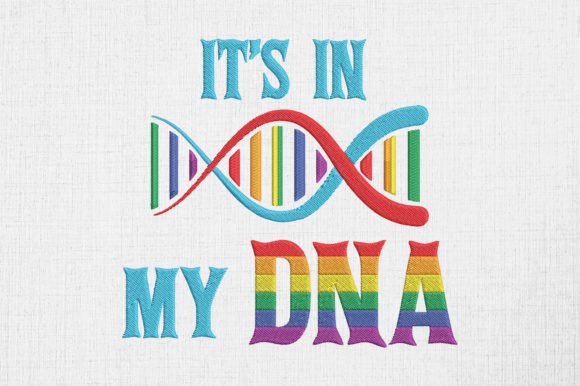
When I first opened the preview for Gay Pride in My DNA Proud LGBTQ, the immediate impression was one of bold, unapologetic pride. The visual mood is celebratory yet grounded, making it suitable for a wide range of demographics within the LGBTQ+ community and their allies. From a design perspective, the layout appears balanced, ensuring that the message is legible without overwhelming the surrounding negative space. This is crucial for apparel, where cluttered designs can look cheap or feel heavy on the fabric.
The decorative appeal of this piece lies in its versatility. It does not rely on overly complex shading that might require excessive thread changes, which is a significant plus for production efficiency. Instead, it seems to utilize a clean combination of text and symbolic elements that translate well into stitch form. For embroidery designers, this means less time spent tweaking underlay or managing jump stitches, and more time focusing on hoop placement and fabric selection.
Performance in Real Embroidery Projects
The true test of any digital embroidery file is how it performs when put through the machine. I evaluated how Gay Pride in My DNA Proud LGBTQ would function across various popular handmade products. Here is how I envision this design performing in a professional shop setting:
- Custom Apparel: This design is ideally suited for t-shirts and sweatshirt embroidery. The structure suggests it would sit well on the chest or upper back of a garment. For sweatshirts, the design’s density needs to be balanced with the loft of the fleece, but the clear lines should prevent sinking if proper stabilizer is used.
- Tote Bag Design: Canvas tote bags are a staple for pride events and everyday use. This design would make a striking central feature on a natural or black canvas tote. The boldness of the message complements the utilitarian nature of the bag, turning a simple accessory into a statement piece.
- Embroidered Patch: With the rising popularity of patches, this design could easily be adapted for iron-on or sew-on applications. Stitching it onto twill or felt backing allows for precise edge finishing, making it a great add-on item for craft fairs.
- Home Decor: While primarily an apparel-focused design, it could also work on pillow covers or wall hangings for nursery decor or living spaces that celebrate diversity. The key here is scaling the design appropriately to fit standard hoop sizes without losing detail.
Technical Considerations for Stitching
Before running a full production batch, there are several technical factors every embroiderer must consider. Since the product description notes that this machine embroidery design comes with multiple embroidery file formats, you have the flexibility to choose the right size for your hoop. However, always confirm the specific dimensions on the Creative Fabrica product page before purchasing.
Fabric and Stabilizer Selection
For stretchy fabrics like jersey knits used in t-shirts, a cut-away stabilizer is non-negotiable to prevent distortion. If you are stitching on woven fabrics like cotton tote bags or aprons, a tear-away stabilizer may suffice, but testing is essential. The stitch density of the text and any accompanying graphics will determine how much pull the fabric experiences. I recommend always doing a test run on scrap fabric identical to your final material. This allows you to check for puckering and ensure the thread colors contrast adequately against the fabric background.
Dark vs. Light Fabrics
One challenge with pride-themed designs is ensuring visibility on dark fabrics. If the design includes light-colored elements, you may need to adjust your thread palette or use a white underlay to pop the colors. Conversely, on light fabrics, ensure that any outline stitches are dense enough to cover the fabric grain. Creating printable mockups with different fabric backgrounds can help you visualize these contrasts before you even thread the needle.
Small Details and Lettering
If the design includes fine lettering or intricate details, pay close attention to the smallest elements after the test stitch. Tiny text can sometimes become illegible if the stitch count is too low or if the fabric texture is too rough. Inspect the finished product closely to ensure that every curve and corner is crisp. If you find that certain details are getting lost, you might need to scale the design up slightly, provided it still fits within your chosen hoop size.
Enhancing Product Value and Brand Consistency
Incorporating Gay Pride in My DNA Proud LGBTQ into your product line can significantly enhance your brand’s perceived value. Customers today are increasingly drawn to businesses that align with their values. By offering high-quality, professionally stitched items that celebrate LGBTQ+ pride, you build trust and emotional connection with your audience. This is not just about selling a product; it is about providing a personalized gift that allows individuals to express their identity proudly.
From a business standpoint, this design supports brand consistency if your shop focuses on inclusive, modern, or awareness-driven merchandise. High-quality presentation is key. When photographing your finished product, ensure the lighting highlights the texture of the satin stitch or fill stitch areas. Good photography combined with a well-executed embroidery job leads to higher customer engagement and better conversion rates on platforms like Etsy.
Practical Tips for Commercial Use
If you are planning to use this design for commercial embroidery, keep the following workflow in mind:
- Verify Licensing: Always review the license terms on the Creative Fabrica product page. Ensure that the license covers the volume of sales you anticipate. Most Creative Fabrica embroidery licenses are generous, but it is vital to be certain before selling finished items.
- Check File Compatibility: Download the file format that matches your embroidery machine. Whether you use Brother, Janome, Husqvarna, or another brand, having the correct digital embroidery file prevents conversion errors that can ruin stitch quality.
- Thread Color Matching: Pride designs often rely on specific rainbow hues or bold primary colors. Invest in high-quality rayon or polyester threads that offer vibrant sheen and durability, especially for items that will undergo frequent washing.
- Mockup Creation: Before stitching, use design assets to create printable mockups. This helps in marketing the product on social media and your online store before you have physical inventory, allowing you to gauge interest and pre-sell items.
Final Verdict
The Gay Pride in My DNA Proud LGBTQ design is a strong contender for embroidery designers looking to expand their Awareness category offerings. Its potential application across custom apparel, tote bags, and home decor makes it a versatile asset for small business owners and creative entrepreneurs. By paying attention to stabilizer choice, fabric type, and stitch density, you can produce a high-quality handmade product that resonates with customers. As with any new design, thorough testing is the key to success. If you are looking to add meaningful, pride-centric items to your shop, this design is worth considering for your next project.