Review: Mahjong Seasons Tile Autumn for Merch
As an embroidery designer who spends countless hours digitizing and testing files for commercial use, I approach every new machine embroidery design with a critical eye. It is not just about whether a pattern looks pretty on a screen; it is about how it performs in the real world of small business merchandise. Recently, I evaluated the Mahjong Seasons Tile Autumn to determine its viability for branded patches, custom apparel, and boutique product lines. This review focuses on practical application for shop owners, Etsy sellers, and apparel decorators looking to elevate their brand identity through high-quality stitched assets.
First Impressions and Visual Personality
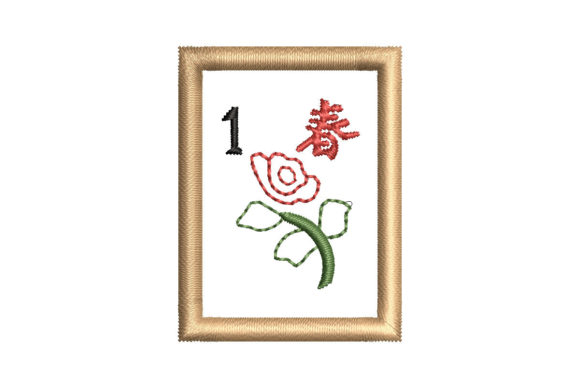
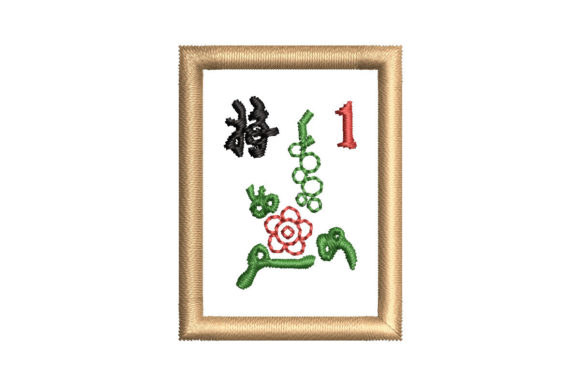
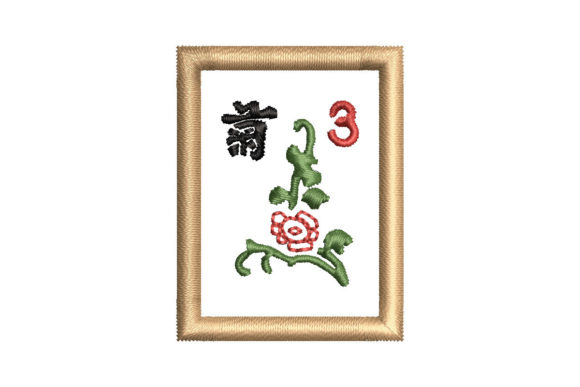
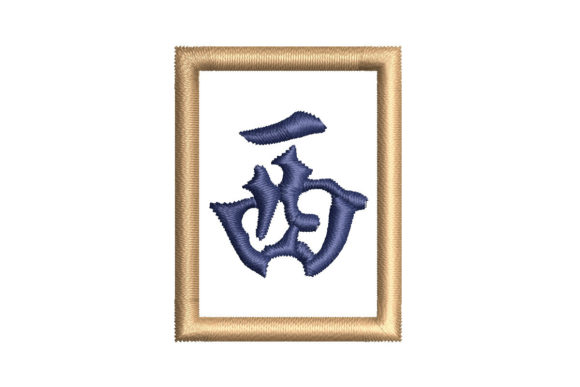
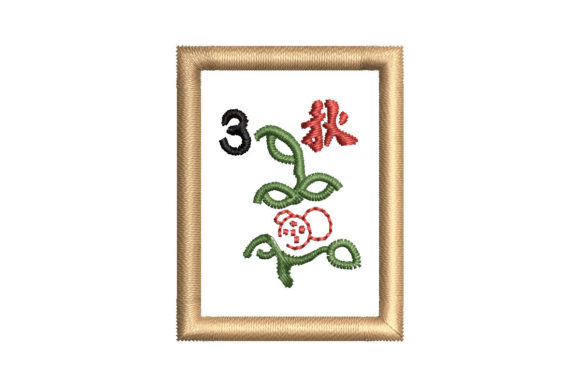
The immediate appeal of Mahjong Seasons Tile Autumn lies in its thematic warmth and structural clarity. In the realm of Games and leisure, mahjong tiles carry a sense of tradition, strategy, and community. By isolating the "Autumn" tile, the design captures a specific seasonal mood that is both nostalgic and elegant. The description notes that the background is not filled, except for the border. From a design perspective, this is a significant advantage for modern branding. Open backgrounds reduce stitch count, minimize fabric puckering, and allow the natural texture of the garment to show through, creating a more integrated and premium look compared to heavy, solid-filled logos.
The aesthetic feels decorative yet professional. It strikes a balance between playful and classic, making it versatile for various industries. It is not overly corporate, which makes it ideal for creative studios, cafes, bakeries, and handmade brands that want to convey friendliness and attention to detail. The autumnal theme suggests warmth, harvest, and comfort, which are powerful emotional triggers for customer engagement in retail environments.
Real-World Applications for Small Business Merch
When considering where to deploy this embroidery file, the possibilities extend far beyond simple decoration. For small business owners, consistency in visual branding is key. Here is how Mahjong Seasons Tile Autumn performs across different merchandise categories:
- Embroidered Patches: This is perhaps the strongest use case. Because the background is open, the patch can be cut close to the border without losing structural integrity. These patches can be sold as standalone accessories or used to upgrade plain tote bags and denim jackets, adding immediate value to a handmade product.
- Staff Uniforms and Aprons: For a boutique café or a florist, embroidering this tile on the chest pocket of an apron creates a subtle but distinctive brand mark. It signals craftsmanship. The apron embroidery serves as a walking advertisement that feels personal rather than mass-produced.
- Cap Embroidery: Placing this design on the front panel of a baseball cap requires precision. The defined border of the mahjong tile provides a clear frame that works well on the curved surface of a cap, provided the size is adjusted correctly to avoid distortion.
- Tote Bag Design: Canvas totes are staples for local markets. Stitching this tile onto a tote bag adds a touch of sophistication. The contrast between the thread colors and the natural canvas fabric enhances the visual impact, making it a desirable item for customers who appreciate artisanal aesthetics.
Using this design in commercial embroidery projects allows businesses to create cohesive collections. Imagine a fall-themed product launch where the tile appears on packaging accents, gift tags, and staff shirts. This level of visual consistency builds trust and recognition, turning casual buyers into loyal brand advocates.
Technical Considerations and Production Notes
While the design is visually appealing, successful execution depends on technical handling. As a designer, I always advise checking specific file details before production. Since the exact stitch count and recommended hoop size are not explicitly detailed in the brief description, you must verify these specs in the downloaded package. However, based on the structure described, here are critical factors to consider:
- Stitch Density and Fabric Texture: The open background is beneficial, but the border and tile details must have appropriate density. If the stitch density is too high for lightweight fabrics, you risk puckering. Always test on the actual fabric you intend to use. For textured fabrics like terry cloth or heavy canvas, ensure the design has enough definition to remain visible.
- Stabilizer Selection: Proper stabilization is non-negotiable. For caps and structured items, use a firm cut-away stabilizer. For softer garments like t-shirts, a tear-away might suffice if the design is not too dense, but a cut-away ensures longevity after repeated washing. The integrity of the finished product depends heavily on this hidden layer.
- Thread Color Contrast: The "Autumn" theme implies warm tones—ochres, rusts, deep reds, and browns. Ensure your thread palette has sufficient contrast against the garment color. A dark brown tile on a black shirt will vanish. Create a printable mockup to visualize color combinations before threading the machine.
- Size Limitations: Be cautious with very small applications. If you shrink the design too much for a tiny chest logo or a small tag, the intricate details of the mahjong character may merge, losing legibility. Test the smallest intended size on scrap fabric to confirm clarity.
Additionally, since the files are tested prior to release, they should be reliable, but every machine behaves differently. Always run a test stitch-out. Check for thread breaks, nesting, or registration issues. This step is crucial for maintaining professionalism in custom apparel production.
Enhancing Brand Identity and Customer Trust
Incorporating a well-executed design like Mahjong Seasons Tile Autumn does more than decorate a product; it enhances brand perception. In the competitive landscape of Etsy selling and local retail, perceived value drives sales. Embroidery is inherently associated with quality and durability. When a customer sees a neatly stitched mahjong tile on a tote bag or apron, they perceive the item as higher value than a printed equivalent.
This design supports a narrative of care and curation. For a creative studio or a game shop, it reinforces the brand's connection to leisure, culture, and tactile experiences. It helps differentiate your small business merch from generic competitors. Furthermore, using consistent design assets across various touchpoints—from employee uniforms to customer gifts—creates a cohesive brand experience that fosters loyalty.
Final Verdict for Designers and Makers
The Mahjong Seasons Tile Autumn is a strong candidate for businesses looking to add seasonal flair or cultural depth to their merchandise. Its open-background structure makes it versatile and less intrusive on fabric, while its thematic content offers rich storytelling potential. However, success relies on proper technical execution. Verify the digital embroidery file specifications, choose the right stabilizer, and respect the limits of scale and fabric texture.
Before committing to a large production run, confirm commercial licensing terms. Ensure that the license covers the volume of goods you plan to produce. Once cleared, this design can become a staple in your portfolio, offering a blend of elegance and playfulness that resonates with modern consumers. Whether used for a single bespoke patch or a full line of staff uniforms, it stands as a testament to the power of thoughtful Embroidery in building a memorable brand.