Moon Lettering Script: A Designer’s Review
As an embroidery designer who has spent countless hours hooping, stitching, and unpicking, I approach every new machine embroidery design with a mix of excitement and skepticism. We all know that a pretty preview image does not always translate to a flawless finished product. Recently, I had the opportunity to test the Moon Lettering Script for a potential addition to my personalized gift shop’s catalog. My goal was simple: determine if this design could hold its own in a competitive market where customers expect high-quality, meaningful keepsakes.
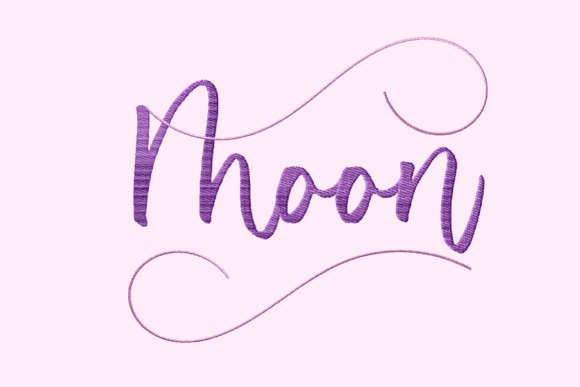
The first impression of Moon Lettering Script is undeniably charming. It strikes a delicate balance between vintage nostalgia and modern minimalism. The lines are fluid, suggesting a hand-written note rather than a rigid digital font. This emotional appeal is crucial for anyone creating a personalized gift. Whether you are an Etsy seller looking to expand your nursery collection or a crafter making items for local craft fairs, the mood of this design feels sweet, elegant, and inherently handmade. It does not scream for attention; instead, it invites the viewer to look closer, which is exactly what you want in a piece meant to be cherished.
Versatility Across Product Lines
One of the strongest assets of this design is its adaptability. In my testing phase, I visualized how Moon Lettering Script would perform across various categories. It is particularly well-suited for baby embroidery. Imagine a soft muslin swaddle or a organic cotton onesie featuring a baby’s name in this gentle script. The design feels protective and tender, aligning perfectly with the sentiments of new parents. It is not overly childish, meaning the item can grow with the child, increasing its perceived value as a long-term keepsake.
Beyond the nursery, this design shines in the realm of wedding and anniversary gifts. For a wedding gift, such as a custom tote bag for the bridal party or a commemorative pillow cover for the couple’s home, the script adds a layer of romance without being cliché. I also considered its application on kitchen linens. An embroidered towel with a family name or a sweet phrase like "Home Sweet Home" becomes an instant heirloom. The design’s clean lines ensure it does not clash with the typical patterns found on tea towels or aprons, making it a safe yet stylish choice for custom embroidery projects.
For those focusing on home decor, specifically within the Bed category, this design offers a subtle way to personalize bedding. A monogrammed sham or a corner detail on a quilt can elevate a standard blanket embroidery project into something bespoke. The key here is placement. Because the script is elegant, it works beautifully when used sparingly, allowing the texture of the fabric to complement the stitches rather than compete with them.
Navigating Technical Challenges
While the aesthetic appeal is high, any experienced embroiderer knows that beauty often comes with technical demands. Moon Lettering Script features fine details that require careful handling. When working with textured fabrics, such as thick terry cloth towels or waffle-weave blankets, the small lettering can get lost if the stitch path is not optimized. I recommend using a cut-away stabilizer for these heavier materials to prevent the fabric from pulling away from the stitches during washing.
Another critical consideration is fabric texture and color contrast. On dark fabrics, light thread colors are essential to make the script legible. However, one must be cautious with very dark or busy prints, as the delicate nature of the script might vanish visually. I always advise creating a printable mockup or stitching a test sample on scrap fabric before committing to a customer order. This step is non-negotiable for maintaining professional standards.
Stretchy fabrics, common in baby clothes, present another challenge. If the hoop size is too large or the tension is incorrect, the script can distort. Using a lightweight tear-away stabilizer combined with proper hooping techniques can mitigate this risk. Additionally, for products that undergo frequent washing, such as kitchen towels or baby burp cloths, checking the stitch density is vital. If the design is too dense, it may create a stiff patch that feels uncomfortable against the skin. If the density is too low, the threads may snag over time. Since specific technical data like exact stitch count or file format details were not provided in the initial description, I strongly advise reviewing the digital embroidery file specifications thoroughly before purchase or use.
Enhancing Perceived Value and Trust
From a business perspective, the choice of design directly impacts customer trust and engagement. A well-executed handmade product signals quality and care. When a customer sees Moon Lettering Script stitched cleanly on a tote bag or pillow, they perceive the item as premium. This perception allows small shop owners to justify higher price points, reflecting the time and skill involved in commercial embroidery.
Photography plays a significant role here. The elegant curves of the script photograph beautifully, especially in natural light. These images drive buyer engagement on social media and marketplace listings. A clear, crisp photo of the embroidery highlights the precision of the work, reassuring potential buyers that they are investing in a durable and beautiful item. This visual proof of quality builds confidence, leading to higher conversion rates and positive reviews.
Practical Steps for Implementation
To ensure success with Moon Lettering Script, follow these practical steps:
- Test on Scrap Fabric: Always stitch a sample on the same type of fabric you intend to use for the final product. This helps identify any issues with tension or registration.
- Check Thread Contrast: Ensure your thread color stands out against the fabric background. High contrast improves readability and visual impact.
- Confirm Hoop Size: Verify that the design fits comfortably within your machine’s hoop, leaving enough margin for secure clamping.
- Review Stitch Density: Examine the back of the test stitch to ensure the density is appropriate for the fabric weight.
- Use Proper Stabilizer: Match the stabilizer type to the fabric. Use cut-away for stretchy or heavy fabrics and tear-away for stable, woven materials.
- Compare Mockups: Create digital or physical mockups on both light and dark fabrics to see how the design performs in different contexts.
- Inspect Small Details: After stitching, check the smallest letters for clarity. If they are muddy, adjust your tension or needle size.
- Confirm Licensing: Before selling finished products, verify the commercial licensing terms of the embroidery file to ensure compliance.
In conclusion, Moon Lettering Script is a versatile and emotionally resonant addition to any embroidery designer’s library. Its ability to bridge vintage and modern styles makes it suitable for a wide range of personalized gifts, from baby items to wedding keepsakes. By paying attention to technical details like stabilizer choice, thread contrast, and fabric texture, you can produce high-quality items that delight customers and enhance your brand’s reputation. Whether you are a seasoned Etsy seller or a hobbyist looking to create special gifts, this design offers the charm and elegance needed to make every stitch count.