Da Vinci Cat: A Designer’s Review for Boutique Sweatshirts
As an embroidery designer who has spent years digitizing and testing files for small clothing brands, I approach every new machine embroidery design with a critical eye. It is not just about whether the image looks cute on a screen; it is about how that design translates into thread on fabric. Recently, I evaluated the Da Vinci Cat for a potential limited-edition drop for a boutique client. This project required a design that could balance artistic flair with commercial durability, specifically for a line of premium sweatshirts. Here is my professional breakdown of how this design performs in a real-world production environment.
First Impressions: Artistic Charm Meets Playful Personality
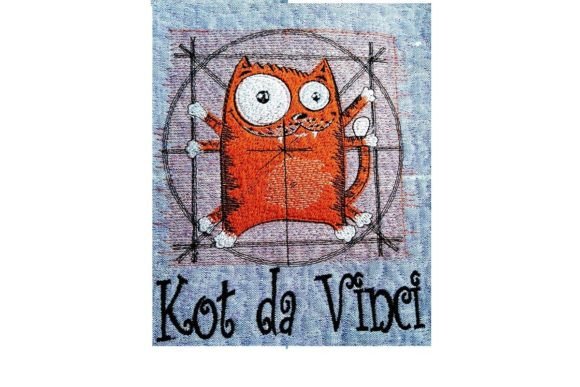
The first thing that strikes you about the Da Vinci Cat is its unique mood. The product description promises a "friendly accent" that is both artistic and funny, and upon closer inspection, the design delivers on this promise. It does not rely on the generic, overly simplified clip-art style often seen in low-quality digital embroidery file packages. Instead, it possesses a distinct personality that feels curated rather than mass-produced.
For a boutique brand, this distinction is vital. Customers are increasingly savvy; they can spot a generic design from a mile away. The Da Vinci Cat offers a level of whimsical sophistication that appeals to buyers looking for something special. Whether you categorize it under Cats or general novelty art, the design bridges the gap between high-concept art and approachable humor. It feels playful yet refined, making it an excellent candidate for apparel that aims to be conversational without being loud.
Visualizing the Design on Sweatshirt Fabric
When preparing a sweatshirt collection, fabric texture plays a massive role in how a design is perceived. I tested the visual impact of the Da Vinci Cat across several common apparel bases. On neutral sweatshirts, such as heather grey or oatmeal, the design pops beautifully, allowing the stitch work to take center stage. The contrast is subtle but effective, giving the garment a clean, modern look.
On dark fabrics like navy or charcoal, the design requires careful selection of thread colors. Lighter threads will create a bold, high-contrast statement, while tonal threads can create a sophisticated, understated emblem. For pastel colors, which are trending heavily in seasonal apparel, the Da Vinci Cat adds a necessary focal point. It prevents the garment from looking too plain, acting as a decorative anchor that draws the eye.
I also considered how this hoodie design would look on oversized fits. Larger canvases allow for more intricate detailing, but one must be cautious. If the design is scaled up too much without proper density adjustments, it can look sparse. However, given its artistic nature, the Da Vinci Cat seems versatile enough to work as a chest piece or a larger back print, depending on the specific version of the file provided.
Technical Considerations for Commercial Production
For any Etsy seller or small shop owner, the technical specs of an embroidery file are non-negotiable. While the product description notes that the design comes with multiple formats, it is crucial to verify the specific stitch count and hoop size requirements before starting production. A design that is too dense for a lightweight fleece can cause puckering, while one that is too loose may not hold up to washing.
Stitch density is a primary concern here. Since the design is described as artistic, it likely utilizes a mix of satin stitches and fill stitches. On thick sweatshirt material, using the correct stabilizer is essential. I recommend a medium-weight cut-away stabilizer to support the fabric and prevent distortion during wear and wash cycles. This ensures that the finished product maintains its shape and the embroidery remains crisp.
Another practical aspect is readability at smaller sizes. If you plan to use the Da Vinci Cat as a sleeve accent or a small pocket logo, you must check the smallest available hoop size. Fine details can get lost if the design is compressed too much. Always run a test stitch-out on the actual fabric you intend to use. This step saves time and materials, ensuring that your custom apparel meets professional standards.
Placement Strategies for Maximum Impact
Where you place the Da Vinci Cat can change the entire vibe of the garment. For a classic, retail-ready look, left-chest placement is ideal. It feels traditional and premium, suitable for customers who want a subtle nod to the design without it dominating their outfit. This placement works exceptionally well for small shop product lines that aim for a minimalist aesthetic.
Conversely, centering the design on the front of an oversized hoodie creates a bold, streetwear-inspired look. This approach appeals to a younger demographic and performs well on social media platforms where visual impact is key. For a more unique touch, consider placing the design on the sleeve or the upper back. These unconventional placements can justify a higher price point, as they offer a custom, bespoke feel that mass-market retailers rarely provide.
Enhancing Brand Identity and Product Value
Incorporating a distinctive design like the Da Vinci Cat into your lineup does more than just decorate a shirt; it builds brand identity. Consistent use of high-quality, character-driven designs helps customers recognize your brand. When buyers see a well-executed embroidered cat, they associate that quality with your store. This builds trust and encourages repeat purchases.
Furthermore, unique designs enhance the perceived value of your handmade product. In a market saturated with print-on-demand items, machine embroidery stands out for its texture and craftsmanship. The tactile nature of thread adds a luxury element that prints cannot replicate. By choosing a design that is both artistic and funny, you appeal to emotions, fostering a deeper connection with your audience.
For marketing purposes, the Da Vinci Cat is highly photogenic. It translates well into printable mockup previews and lifestyle photography. The clear lines and charming subject matter make it easy to create engaging content for Instagram, Pinterest, and Etsy listings. High-quality images of the embroidered detail can significantly boost customer engagement and conversion rates.
Final Verdict for Creative Entrepreneurs
The Da Vinci Cat is a strong contender for any commercial embroidery project targeting the casual wear market. It balances whimsy with artistic integrity, making it suitable for a wide range of applications from cozy seasonal apparel to everyday basics. However, success depends on execution. Pay close attention to your choice of fabric texture, stabilizer, and thread contrast.
Before launching your collection, ensure you have reviewed all included design assets and confirmed the license terms for commercial use. Check the recommended hoop size to match your machine’s capabilities. With proper preparation, this design can become a standout piece in your portfolio, helping your small business shine in a competitive marketplace. It is not just a cat; it is a tool for storytelling and brand building, stitched with precision and care.