Bunny Rabbit Boy Doll ITH: A Designer’s Review
As an embroidery designer who has spent years digitizing and testing files for commercial use, I approach every new machine embroidery design with a critical eye. It is not just about whether the image looks cute on a screen; it is about how that design performs under the needle, how it holds up after washing, and most importantly, how it serves a small business owner’s brand. Recently, I evaluated the Bunny Rabbit Boy Doll ITH, a project file situated within the popular Woodland Animals category. My goal was to determine if this specific Embroidery asset is viable for branded merchandise, staff uniforms, and high-value handmade products.
First Impressions: Visual Personality and Market Fit
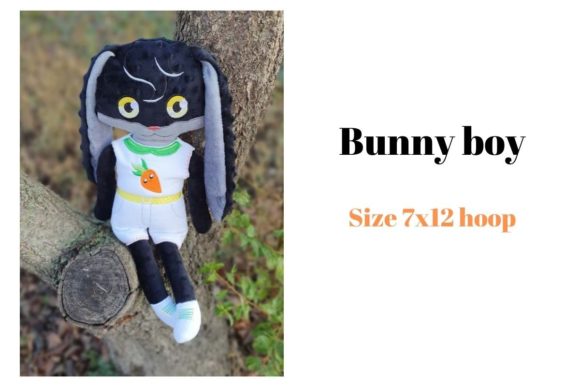
The immediate impression of the Bunny Rabbit Boy Doll ITH is one of playful charm mixed with technical ambition. The concept of an In-The-Hoop (ITH) doll suggests a three-dimensional finished product, which immediately elevates it from a simple flat logo to a tactile experience. For small business owners, particularly those in the boutique, bakery, or children’s retail sectors, this design feels friendly and handmade. It does not scream "corporate sterile"; instead, it whispers "artisan care."
However, from a professional standpoint, the inclusion of a "dress done all ITH" raises questions about complexity. A design that attempts to create a full garment on a tiny doll requires precise digitizing. If the stitch placement is off by even a millimeter, the dress may not align correctly with the body. For a brand aiming for a premium aesthetic, this level of detail can be a double-edged sword. It offers a unique selling point but demands higher skill from the operator. The visual personality is distinctly rustic and whimsical, making it an excellent fit for brands that want to project warmth and approachability.
Real-World Business Applications
When considering where to deploy the Bunny Rabbit Boy Doll ITH, we must look beyond the doll itself. While the primary output is a stuffed toy, the design elements can inspire broader applications in small business merch. Here is how this asset performs in various commercial scenarios:
- Branded Giveaways and Retail Products: The most obvious use is creating the doll itself as a high-margin item for Etsy sellers or craft fairs. Because it is an ITH design, the production time is contained within the hoop, reducing labor costs compared to sewn-and-stuffed alternatives.
- Apron Embroidery Accents: For bakeries or florists, a simplified version of the bunny motif could be extracted for apron pockets. The woodland theme aligns perfectly with organic, farm-to-table brand identities.
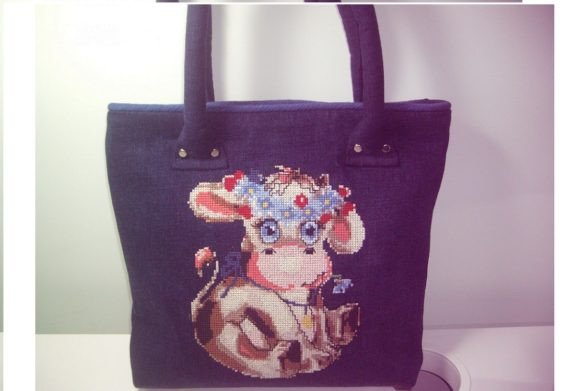
- Tote Bag Design Elements: The character’s face or silhouette can serve as a central graphic on canvas tote bags. This appeals to customers looking for eco-friendly, cute accessories.
- Customer Gifts: Miniature versions of the doll can serve as exceptional "thank you" inserts for online orders, enhancing customer trust and encouraging social media shares.
The versatility of the digital embroidery file allows for adaptation. If the full doll is too complex for a quick turnaround, the individual components—such as the ears or the dress pattern—can be repurposed for custom apparel or patch designs. This flexibility is crucial for maximizing the return on investment for any design assets purchased.
Technical Performance and Production Challenges
While the aesthetic appeal is strong, the technical execution requires careful management. The description notes that the design comes with multiple embroidery file formats and full step-by-step instructions. This is a vital feature for commercial embroidery shops, as it reduces the learning curve. However, there are specific areas where caution is necessary.
Stitch Density and Fabric Texture
ITH designs often involve multiple layers of fabric and stabilizer within a single hoop. The Bunny Rabbit Boy Doll ITH likely has a higher stitch density in the body sections to maintain shape. When working with textured fabric or delicate materials, this density can cause puckering. It is essential to test the design on the exact material intended for production. For instance, using a heavy cut-away stabilizer is non-negotiable here to support the structural integrity of the doll.
Small Patch Sizes and Detail Loss
If you attempt to scale this design down for a small embroidered patch or a cap embroidery application, you risk losing definition. The facial features and the details of the dress may merge into a blob of thread if the hoop size is too small. I strongly advise against using the full detailed doll on items smaller than a 4x4 inch hoop unless the design has been specifically resized and re-digitized for that scale. For cap fronts, a simplified outline version would be more effective than the full-color, filled-in doll.
Thread Colors and Contrast
The visual impact of the doll relies heavily on thread color contrast. On dark uniforms or navy tote bags, standard pastel threads may not pop. You must adjust the thread palette to ensure the bunny boy is visible. A printable mockup can help visualize these changes before committing to production. Always check if the design works in black and white first; if the silhouette is not recognizable without color, the digitizing may rely too heavily on shading rather than structure.
Impact on Brand Identity and Customer Perception
Integrating the Bunny Rabbit Boy Doll ITH into your product line affects more than just inventory; it shapes your brand identity. For handmade brands, offering a complex ITH project signals technical proficiency and attention to detail. It tells the customer that you invest in quality tools and take pride in your craft. This builds recognition and professionalism.
Furthermore, consistency is key. If your brand is built on woodland themes, this design reinforces that narrative across different touchpoints—from the product itself to the packaging accents. When customers see a cohesive visual language, their trust in the brand increases. The "handmade product" feel of an ITH doll adds perceived value, allowing for higher price points compared to mass-produced items. It transforms a simple transaction into an emotional connection, driving buyer engagement and repeat business.
Practical Notes for the Embroidery Professional
Before launching this design into your commercial workflow, follow these practical steps to ensure success:
- Verify Licensing: Confirm commercial licensing terms. The description mentions creating your own doll, but ensure you have the right to sell the finished physical products, especially if you are modifying the design.
- Test on Real Fabric: Do not rely solely on digital simulations. Stitch out a sample on the actual fabric you plan to use. Check for thread breaks, nesting, or alignment issues with the dress.
- Check Hoop Size Compatibility: Ensure your machine’s hoop size matches the design requirements. ITH designs often require specific hoops to accommodate the folding and sewing process.
- Inspect Spacing: Look closely at the jump stitches and trim points. Efficient pathing saves time and thread, which adds up in large production runs.
- Create Client Mockups: If you are doing custom work, create a high-quality printable mockup to show clients how the doll will look on their specific branding materials.
- Review Instructions: Utilize the provided step-by-step instructions. ITH designs can be tricky for beginners, and following the recommended sequence is crucial for a clean finished product.
In conclusion, the Bunny Rabbit Boy Doll ITH is a promising asset for small business owners in the woodland and handmade niches. It offers a blend of charm and technical interest that can elevate brand perception. However, its success depends on rigorous testing, appropriate application, and respect for the technical limitations of machine embroidery. By treating this design as a strategic business tool rather than just a decorative element, you can leverage it to create memorable, high-value merchandise that resonates with your audience.