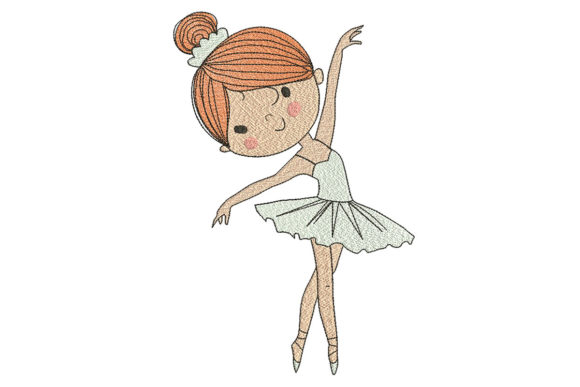
Ballet Dancer: A Designer’s Holiday Review
As an embroidery designer who spends countless hours refining digital files for seasonal collections, I approach every new machine embroidery design with a critical eye. It is not just about aesthetics; it is about utility, marketability, and emotional resonance. When I first loaded the Ballet Dancer file into my software, I was immediately struck by its versatility. This is not merely a depiction of dance; it is a vessel for nostalgia, elegance, and grace. For those of us running small shops or Etsy stores, finding a design that bridges the gap between everyday apparel and high-end holiday decor is rare. Ballet Dancer achieves this balance, offering a sophisticated silhouette that feels both timeless and fresh.
The Seasonal Mood and Emotional Tone
The first impression of this design is one of quiet elegance. Unlike loud, cartoonish graphics that dominate certain holiday trends, Ballet Dancer exudes a romantic and premium feel. The lines are clean, suggesting movement without clutter. This makes it an ideal candidate for seasonal embroidery projects where subtlety is key. During the holiday rush, customers often seek gifts that feel personal and thoughtful rather than mass-produced. This design taps into that desire. It evokes memories of childhood recitals, winter performances, and the cozy warmth of home.
For holiday product creators, the emotional tone is crucial. This design feels festive in a refined way. It pairs beautifully with winter whites, soft pastels, or even deep, rich jewel tones typical of December decor. Whether you are aiming for a rustic chic look or a modern minimalist aesthetic, the graceful posture of the dancer adapts seamlessly. It is not overly religious or specific to one holiday, which broadens its appeal across the entire winter season, from Thanksgiving through New Year’s.
Real-World Applications for Holiday Selling
When planning a seasonal shop collection, versatility is your best asset. I tested Ballet Dancer across various substrates to see how it performs in real selling situations. Here is where this embroidery file truly shines:
- Sweatshirt Embroidery: Placed on the left chest of a cream or blush crewneck, the design creates an instant bestseller. It appeals to dance moms, former dancers, and anyone who loves a touch of whimsy in their winter wardrobe.
- Tote Bag Design: A canvas tote featuring this dancer makes for a perfect gift bundle. Pair it with a book or a set of ribbons, and you have a high-value item with low production effort.
- Kitchen Towel Embroidery: For home decor enthusiasts, stitching this onto linen tea towels adds a layer of sophistication. It transforms a utilitarian item into a decorative piece suitable for holiday hosting.
- Pillow Cover Accents: Centered on a velvet or faux fur pillow cover, the design becomes a focal point for living room decor. It suggests comfort and luxury, two major drivers of holiday sales.
- Embroidered Patch: If you offer customizable options, creating iron-on patches allows customers to add this design to jackets or backpacks themselves, increasing engagement and perceived value.
For Etsy sellers and craft fair vendors, the visual recognition of this design is strong. It stands out in thumbnail images because of its distinct silhouette. When creating printable mockup graphics for social media, the design scales well, remaining clear and identifiable even on smaller screens. This is vital for capturing the attention of scrolling shoppers during the busy holiday period.
Navigating Technical Challenges and Fabric Choices
While Ballet Dancer is visually stunning, practical application requires attention to detail. As a designer, I must advise caution in specific scenarios to ensure the finished product meets professional standards.
First, consider the hoop size. While the design is adaptable, placing it on very small items like baby booties or curved caps requires careful positioning. Ensure the hoop stabilizes the fabric correctly to prevent puckering. Second, pay close attention to stitch density. If you are using this on thick materials like terry cloth kitchen towels, you may need to adjust your underlay or use a cut-away stabilizer to support the weight of the stitches. Conversely, on lightweight silks or chiffons for scarves, a tear-away stabilizer might suffice, but test thoroughly to avoid damaging delicate fibers.
Fabric texture plays a significant role in the final look. On smooth cotton or polyester blends, the details of the dancer’s form will be crisp. On textured fabrics like wool or heavy knits, some finer details might get lost. I recommend running test stitches on both light and dark fabrics. If stitching on dark garments, consider using a lighter thread color to maintain contrast, or adjust the design brightness in your software if permitted by the license.
Additionally, be mindful of thread colors. The product description notes that you can choose the color scheme at your discretion. This is a powerful feature for holiday collections. Try metallic threads for a festive sparkle, or matte cotton threads for a rustic, homemade feel. However, avoid using metallic threads in areas with high stitch density unless your machine is calibrated for it, as this can lead to thread breaks and frustration.
Enhancing Brand Consistency and Customer Trust
Incorporating Ballet Dancer into your lineup does more than add a pretty image; it enhances your brand’s perceived value. High-quality commercial embroidery signals professionalism. When customers see consistent, clean stitching across your products, their trust in your small shop grows. This design supports brand consistency because it is neutral enough to fit various themes yet distinctive enough to be recognizable.
For personalized gift offerings, this design serves as an excellent base. You can add names, dates, or short messages below the dancer. This customization increases the giftability of the item, making it a top choice for grandparents buying for grandchildren or friends exchanging secret Santa gifts. The emotional connection to dance and performance adds a layer of meaning that generic designs lack.
Practical Designer Notes for Success
To maximize the potential of this digital embroidery file, keep these final tips in mind:
- Check Licensing: Before selling any small shop product featuring this design, confirm the commercial licensing terms provided by the creator. Ensure you are compliant with usage rights for physical goods.
- Stabilizer Selection: Always match your stabilizer to your fabric. A poor choice here can ruin an otherwise perfect stitch-out. For stretchy garments like sweatshirts, a cut-away stabilizer is usually safest.
- Mockup Realism: When creating marketing materials, use realistic mockups that show the texture of the embroidery. Customers want to see the raised effect of the stitches, not just a flat graphic.
- Quality Control: After stitching, review the small details. Trim any jumps or loose threads meticulously. A clean finish is what separates hobbyist work from professional retail products.
- Color Planning: Plan your thread palettes in advance. Create cohesive collections where the Ballet Dancer appears in complementary colors across different products, encouraging bundle purchases.
In conclusion, Ballet Dancer is a robust addition to any seasonal catalog. It respects the art of Dance while serving the practical needs of Embroidery professionals. By understanding its technical requirements and leveraging its emotional appeal, you can create products that resonate deeply with holiday shoppers. Whether used on a cozy pillow or a cherished sweatshirt, this design brings a touch of grace to the festive season, helping your small business stand out in a crowded marketplace.